GLP-1 medications have become an important tool for managing obesity and type 2 diabetes. Medications such as semaglutide, liraglutide, and tirzepatide can reduce appetite, increase feelings of fullness, slow gastric emptying, and help regulate blood glucose levels. These effects can make it easier for many people to reduce calorie intake and achieve meaningful weight loss.
However, eating substantially less can create a nutritional challenge. When portions become smaller and appetite decreases, it may be harder to consume enough protein, vitamins, minerals, fiber, and other nutrients. Gastrointestinal symptoms such as nausea, constipation, diarrhea, or vomiting can further affect food intake.
For this reason, certain over-the-counter supplements may help support the nutritional goals of GLP-1 therapy. Importantly, supplements should not be viewed as a way to “boost” or replace the medication. Instead, they can help address nutritional gaps, support lean muscle, promote digestive health, and help the body maintain adequate nutrient intake during weight loss.¹˒²

Protein Supplements
One of the most useful supplements for people taking a GLP-1 medication may be a protein powder or ready-to-drink protein shake.
Reduced appetite can make it difficult to eat enough protein from meals alone. Adequate protein is particularly important during weight loss because the goal is to preserve as much lean muscle mass as possible during weight loss.
Current nutrition guidance for people using GLP-1 medications emphasizes adequate protein intake along with resistance exercise to help support muscle preservation.¹ A recent review of dietary supplements during GLP-1 therapy suggests that protein supplements can be useful for individuals who have difficulty meeting their protein needs through food.²
Whey, milk, soy, pea, and other protein powders can be convenient options. A protein supplement can be especially helpful as a small meal or snack when appetite is low.
Celebrate® Whey Protein Shake + Probiotic
$34.99
Meet your new go-to protein shake, designed to support your routine, however you define it. The Celebrate Whey Protein Shake delivers 20g of premium whey protein isolate in a smooth, satisfying formula that goes beyond basic protein. With added probiotics and… read more

Vertical Clear Protein Water
$39.99
Meet a smarter and delicious way to get your protein! Vertical Protein Water delivers 20g of high-quality whey protein isolate in a clear, easy-to-drink format. Made without artificial sweeteners, colors, or flavors, and with zero sugar and only 80 calories… read more

A Quality Multivitamin and Mineral
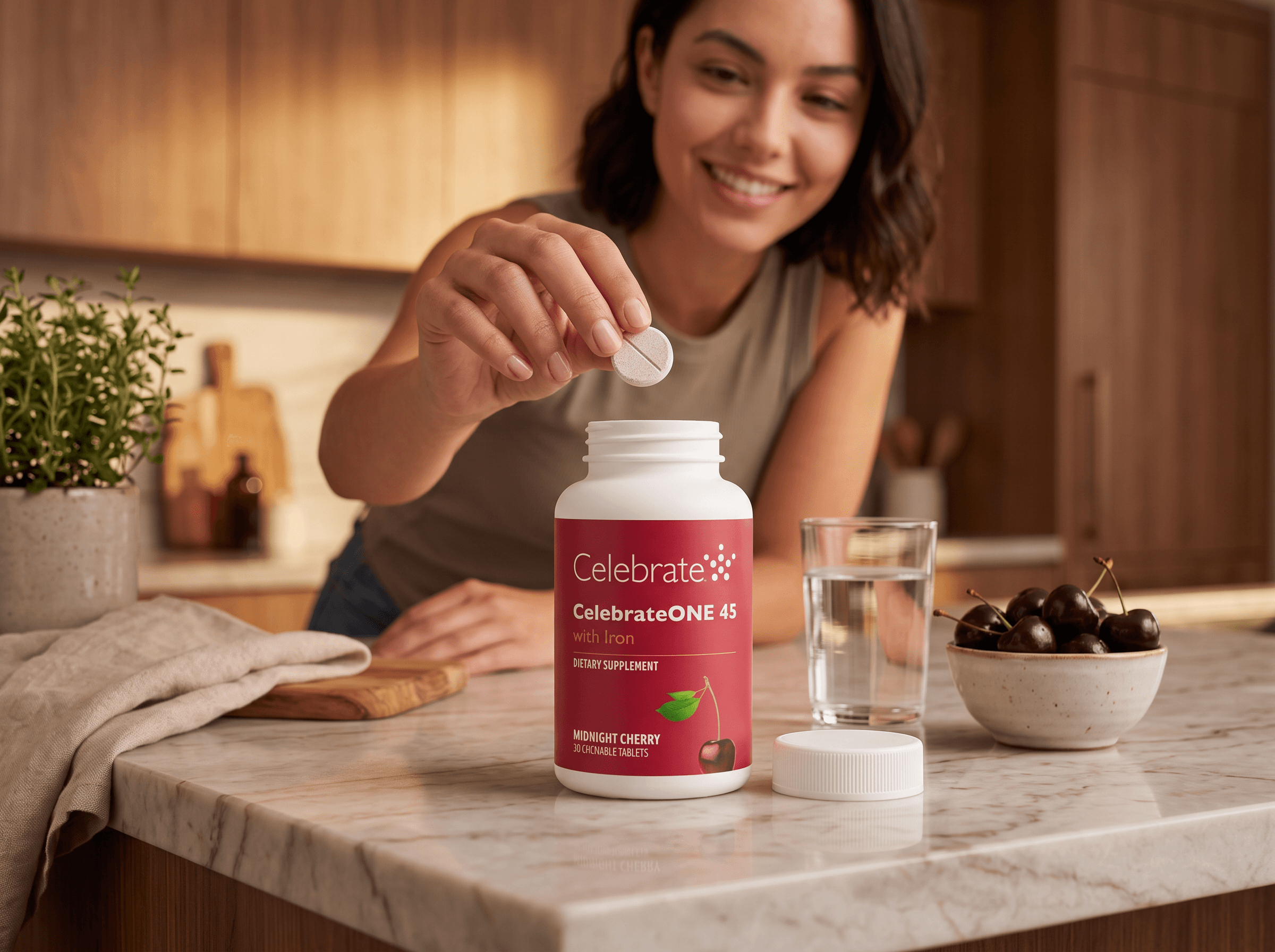
A daily multivitamin and mineral supplement is your insurance policy when food intake is substantially reduced.
Research is beginning to identify potential micronutrient concerns among people using GLP-1 medications, particularly when calorie intake and dietary variety are limited due to side effects. Nutrients of interest include vitamin D, vitamin B12, iron, calcium, magnesium, folate, and thiamin.¹˒³ A standard multivitamin containing approximately 100% of the Daily Value for many nutrients is generally more appropriate than automatically choosing a high-dose formula.

Vitamin D
Vitamin D is important for calcium absorption, bone health, muscle function, and several other physiological processes. Vitamin D deserves particular attention during significant weight loss because maintaining bone and muscle health is an important part of treatment. The 2025 joint advisory on GLP-1 therapy specifically emphasizes strategies to preserve muscle and bone mass during treatment.¹ Vitamin D supplementation may be particularly appropriate for people with inadequate dietary intake or laboratory-confirmed deficiency. Because individual needs vary, blood testing can help determine whether additional vitamin D is appropriate.
Calcium
Calcium works together with vitamin D to support bone health. It is also involved in muscle contraction, nerve signaling, and other essential functions. When food intake decreases, calcium intake can decline, particularly when dairy products or calcium-fortified foods are eaten less frequently. Calcium-rich foods should be the first choice whenever possible, including Greek yogurt, milk, fortified foods, calcium-set tofu, and certain leafy greens. If dietary intake is inadequate, an over-the-counter calcium supplement may help fill the gap. Total intake from food and supplements should be considered when determining the appropriate dose.
Calcium Citrate Soft Chews
$34.99
Level up your calcium intake with our delicious Calcium Citrate Soft Chews. Specially formulated for post-bariatric patients, these calcium chews provide a convenient and enjoyable way to meet your daily calcium needs. Each chew is packed with essential calcium citrate… read more

Magnesium
Magnesium supports hundreds of enzymatic reactions involved in energy metabolism, muscle and nerve function, and glucose regulation. Nuts, seeds, legumes, whole grains, and leafy green vegetables are excellent food sources. However, people eating very small portions may not consistently consume enough magnesium-rich foods.
A magnesium supplement can be considered when dietary intake is inadequate or when a deficiency has been identified. Large supplemental doses can cause diarrhea, so individuals already experiencing gastrointestinal symptoms from a GLP-1 medication should use caution.
Fiber Supplements
Fiber can be particularly useful for people taking GLP-1 medications who struggle with constipation. Because GLP-1 medications can slow gastrointestinal motility, some individuals experience changes in bowel habits. Adequate fluids, vegetables, fruits, legumes, and whole grains should form the foundation of fiber intake. When dietary fiber is insufficient, an over-the-counter fiber supplement such as psyllium may be useful.² Fiber should be increased gradually, with adequate fluid intake, because suddenly adding large amounts can cause bloating, gas, or abdominal discomfort.
Probiotics
Probiotic supplements may be another option for supporting gastrointestinal health. The gut microbiome is influenced by diet, weight, metabolic health, and gastrointestinal function. Some research suggests that probiotics may help support bowel regularity and certain gastrointestinal symptoms, although evidence is strain-specific and not all probiotic products produce the same effects.² Rather than assuming every person taking a GLP-1 medication needs a probiotic, consider them an optional supplement based on individual digestive needs.
Celebrate® Balance Probiotic + Prebiotic Capsules
$29.99
Discover the transformative benefits of gut health with Balance Probiotic Plus Prebiotic capsules from Celebrate Vitamins. Specifically designed for bariatric patients, these capsules boast a powerful combination of probiotics and prebiotics to promote a thriving digestive system and overall well-being.… read more

Creatine Monohydrate
Creatine is not a vitamin or mineral, but it may be worth considering for individuals who are concerned about maintaining muscle during weight loss. Creatine supplementation, particularly when combined with resistance training, has evidence supporting improvements in strength and lean mass in various populations.² Emerging GLP-1 nutrition literature has identified creatine as a potentially useful adjunct for supporting muscle during weight loss, although direct research specifically in GLP-1-treated populations is still developing.²
This distinction is important: creatine should be considered a potential support for exercise and muscle preservation, not a supplement that directly increases the weight-loss effect of a GLP-1 medication.
What About “GLP-1 Booster” Supplements?
Consumers may encounter products marketed as “natural GLP-1 boosters,” metabolism boosters, fat burners, or appetite-control supplements. These products should be approached carefully. There is a major difference between a supplement that supports adequate nutrition and one that claims to reproduce or amplify the pharmacological effects of a prescription GLP-1 medication. Most supplements have not been demonstrated to enhance the weight-loss effects of prescription GLP-1 medications in high-quality clinical trials. The strongest nutritional strategy remains adequate protein, nutrient-dense foods, fiber, hydration, resistance training, and appropriate supplementation when needed.¹
Building a GLP-1 Supplement Routine
A practical supplement routine might include:
Foundation: A quality multivitamin/mineral when dietary intake is inadequate.
Muscle support: Protein powder or a protein drink when food alone does not provide enough protein.
Bone support: Vitamin D and calcium when dietary intake or laboratory results indicate a need.
Digestive support: Fiber and, in selected individuals, probiotics.
Exercise support: Creatine monohydrate may be considered alongside resistance training.
Targeted supplementation: Iron, B12, folate, thiamin, magnesium, or other nutrients when dietary assessment or laboratory testing identifies a need.
Over-the-counter supplements can play a supportive role during GLP-1 therapy, but they should not be viewed as a way to make the medication “work harder.” Their primary role is to help address the nutritional challenges that can occur when appetite and food intake decrease. For many people, protein supplements, a quality multivitamin, vitamin D, calcium, fiber, magnesium, and selected digestive or muscle-support supplements may have a place in a personalized plan.
The most effective approach combines GLP-1 medication with adequate nutrition, regular physical activity, especially resistance training, good hydration, adequate sleep, and ongoing medical monitoring.¹ Before starting multiple supplements, discuss your medication list, medical history, and nutritional needs with your healthcare provider or registered dietitian, particularly if you have had bariatric surgery, have kidney disease, experience persistent vomiting, or have known vitamin or mineral deficiencies.
References
- Mozaffarian D, Agarwal M, Aggarwal M, et al. Nutritional priorities to support GLP-1 therapy for obesity: a joint advisory from the American College of Lifestyle Medicine, the American Society for Nutrition, the Obesity Medicine Association, and The Obesity Society. Am J Clin Nutr. 2025;122(1):344-367. doi:10.1016/j.ajcnut.2025.04.023.
- Johnson BV, Milstead M, Kreider R, Jones R. Dietary supplement considerations during glucagon-like peptide-1 receptor agonist treatment: a narrative review. Obes Pillars. 2025;16:100209. doi:10.1016/j.obpill.2025.100209.
- Urbina J, Salinas-Ruiz LE, Valenciano C, Clapp B. Micronutrient and nutritional deficiencies associated with GLP-1 receptor agonist therapy: a narrative review. Clin Obes. 2026;16(1):e70070. doi:10.1111/cob.70070.
- National Institutes of Health, Office of Dietary Supplements. Dietary supplement fact sheets. Updated 2026.